Whole-Home Generator Guide for Eastern North Carolina
How to size a standby generator, fuel options, and what a licensed install involves
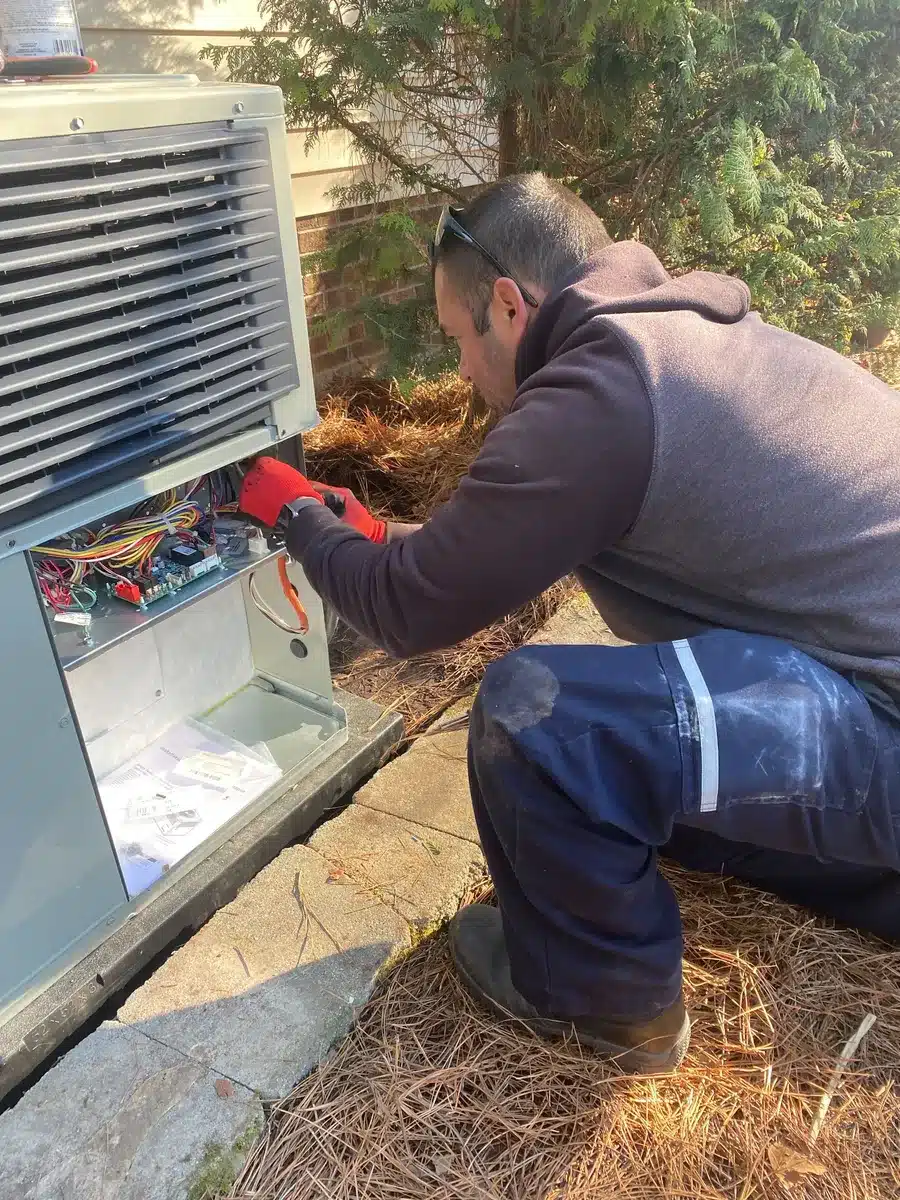
Between hurricane season, summer thunderstorms and the occasional ice storm, Eastern North Carolina homeowners lose power more than most. A whole-home standby generator turns a multi-day outage into a ten-second blink. Here’s what Prostar’s licensed electricians walk homeowners through before an install in Wilson, Rocky Mount, Greenville and the surrounding counties.
Standby vs. portable
A portable generator is the gas-powered unit you roll out of the garage, fuel up and connect by extension cords or a manual transfer switch. It’s cheaper up front, but someone has to be home to start it, refuel it every few hours, and keep it well away from the house because of carbon monoxide.
A standby generator is permanently installed outside, runs on natural gas or propane, and starts itself within seconds of an outage through an automatic transfer switch. It powers the whole house (or the circuits you choose) and shuts itself off when utility power returns. No cords, no refueling, no being home.
Sizing: what do you actually need to run?
Generators are rated in kilowatts (kW). The right size depends on what you want running during an outage:
- Essentials only (refrigerator, well pump, some lights, furnace blower, a window AC): often in the 10 to 14 kW range.
- Most of the house including a central air conditioner: commonly 18 to 24 kW, depending on the AC tonnage.
- Everything, including two AC systems, electric range and electric water heater: larger units or a managed-load setup that cycles big appliances.
Central air is the deciding factor in this climate. A standby generator that can’t start your AC compressor in August isn’t much comfort. Prostar’s electricians do a load calculation on your actual panel and equipment rather than guessing from square footage.
Fuel: natural gas or propane
If your home has natural gas service, that’s the simplest option: unlimited run time, no tank to fill. Much of rural Eastern NC doesn’t have gas service, so propane is the common choice. A 250 to 500 gallon tank gives most homes several days of run time. Prostar handles the gas line work along with the electrical, so you’re not coordinating two contractors.
What a proper installation includes
- A concrete or composite pad placed to meet manufacturer clearances from windows, doors and vents.
- An automatic transfer switch wired into your electrical panel. Many older panels in this area need an upgrade at the same time.
- Gas line sizing and connection, with pressure testing.
- Permits and inspection through your county. This is required, and it protects you when you sell the house.
- A startup test under load and a walkthrough of the controls.
Maintenance
A standby generator runs a short self-test on its own every week or two. Beyond that, it needs an oil and filter change about once a year or after extended run time during a long outage, plus a battery check. Prostar offers generator maintenance so the unit is ready when a storm hits.
Is it worth it?
For a home with a well pump, medical equipment, a freezer full of food, or anyone who can’t handle a hot house for three days, usually yes. It also tends to be a selling point in this region. If you’re weighing it, Prostar will come out, look at your panel and gas situation, and give you a written price with no obligation. Call (252) 285-4050 or learn more about generator installation.
Frequently Asked Questions
How long does a standby generator installation take?
Most residential installs take one to two days on site once the generator, pad and transfer switch are in hand. Permit scheduling adds time, so plan a few weeks ahead of hurricane season.
Can a generator run my central air conditioner?
Yes, if it’s sized for it. The AC compressor’s starting load is the biggest single demand in the house, and it’s the number we size around.
Do I need a permit for a generator in North Carolina?
Yes. Standby generator installations require electrical and usually gas permits and an inspection. Prostar pulls the permits as part of the job.
Ready Before the Next Storm
Prostar’s licensed electricians size, install and service whole-home generators across Wilson and Eastern North Carolina. Written pricing, permits included.
Call Now (252) 285-4050
Wilson-Based. Eastern NC-Bound.
We’re based in Wilson, but we cover a lot of ground. Take a look and see if we serve your neck of the woods.

All Service Areas
The Best Thing You Can Do for Your Home This Year
The Prostar All-Star Membership keeps your HVAC and plumbing running right all year long, with two seasonal tune-ups, a whole-home plumbing inspection, priority scheduling, and 10% off repairs whenever you need them.
It’s the kind of coverage that pays for itself the first time something goes sideways, and the peace of mind that comes with knowing we’ve already checked everything out.
Join Now